
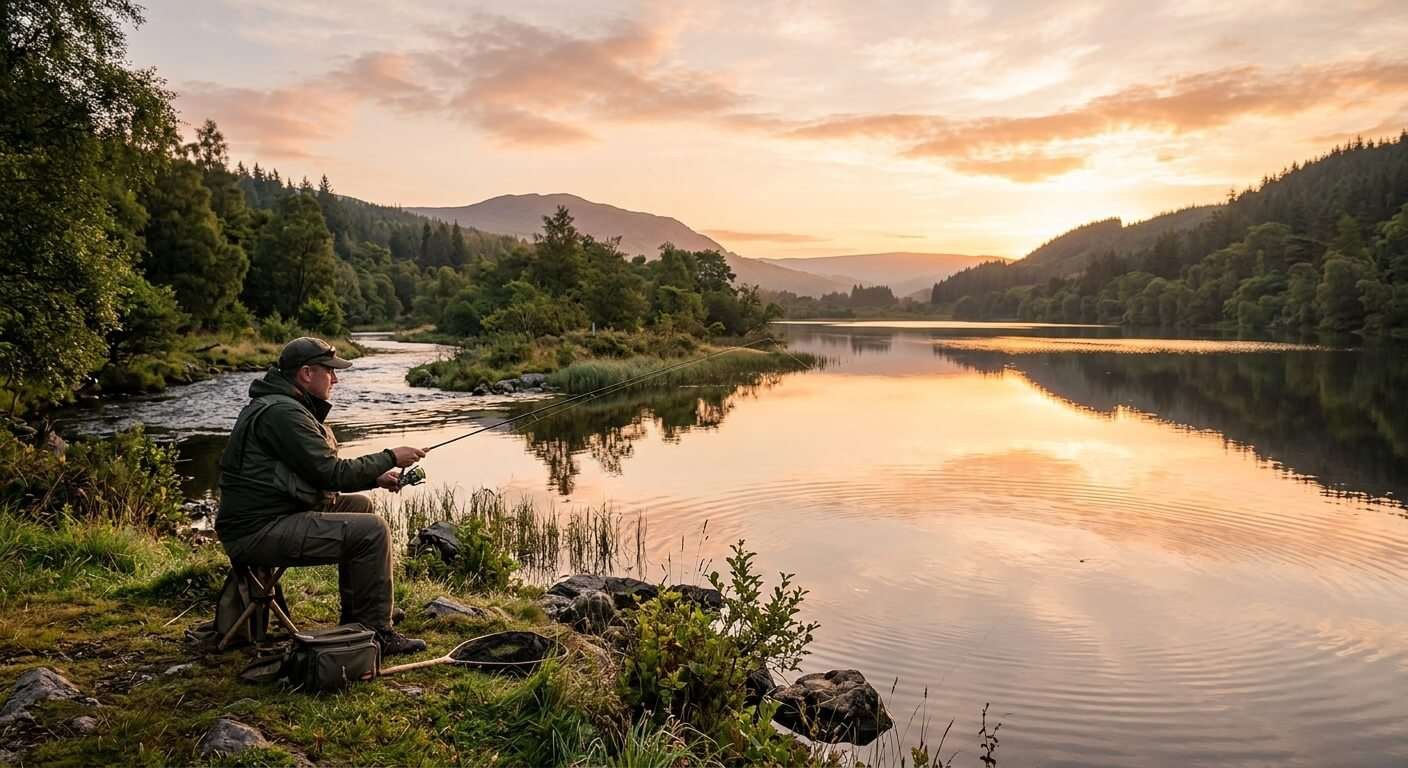
Looking for fishing near me but not sure where to start? Finding a productive fishing spot can sometimes feel harder than catching the fish itself. You might know there are lakes, rivers, or piers nearby, but how do you know which ones are actually worth your time?
The good news: finding your next favorite fishing hole comes down to a few smart checks—location, local species, conditions, and regulations.
Whether you are casting your first line or looking to explore new waters, this guide will help you trade endless searching for actual bend in your rod.
How to Find Nearby Fishing Spots
The fastest way to locate public fishing areas—like lakes, rivers, ponds, reservoirs, beaches, and piers—is by using an interactive fishing map or map app.
Instead of guessing, evaluate nearby waters based on these core factors:
- Distance & Access: Is there easy bank access, or do you need a boat/kayak?
- Target Species: Does the water support the specific fish you want to target?
- Current Conditions: Are weather, water clarity, and tides in your favor?
- Local Rules: Is the area open to the public, and do you need a special permit?
Pro Tip: Don’t automatically choose the absolute closest spot. Driving an extra 10 minutes to a slightly farther location often yields better access, cleaner water, and far better catches.
Choosing the Right Type of Water
The best fishing spot depends entirely on how you like to fish and what you hope to reel in:
- Lakes: Ideal for targeting freshwater species like bass, catfish, trout, and crappie. Look for weed lines, points, and drop-offs.
- Rivers: Dynamic waters where fish gather around currents, deep pools, bends, and underwater structures. Always verify water levels and flow rates before wading in.
- Ponds: Convenient and beginner-friendly. Frequently stocked with panfish or bass, making them perfect for quick, hassle-free sessions. Always confirm public access first.
- Beaches & Piers: Offer saltwater opportunities like surf casting or pier fishing. Tides, currents, and seasonal runs play a huge role here.
What Fish Can You Catch Nearby?
Before packing your gear, research the specific species inhabiting your target water. Knowing your target species in advance dictates your entire setup:
- Identify Local Species: Check whether the water is known for panfish, predator fish, or seasonal migrants.
- Match Tackle & Bait: Choose live bait (worms, minnows) or artificial lures tailored to that species’ natural diet.
- Know the Rules: Check daily catch limits, minimum size requirements, and active fishing seasons.
Freshwater vs. Saltwater Fishing
Your choice between freshwater (lakes, rivers, ponds) and saltwater (piers, beaches, bays) changes everything:
| Feature | Freshwater Fishing | Saltwater Fishing |
| Primary Locations | Lakes, streams, rivers, ponds | Piers, beaches, bays, open ocean |
| Key Factors | Water temp, seasonal spawn, weather | Tides, current changes, water salinity |
| Gear Needs | Lighter tackle, specific freshwater lures | Corrosion-resistant gear, heavier weights |
When Is the Best Time to Fish?
Timing is just as critical as location. Generally, early morning (around sunrise) and late afternoon (around sunset) are peak feeding windows because lower light levels make fish feel secure enough to hunt.
Key environmental factors to monitor:
- Weather & Wind: Subtle overcast skies often trigger active feeding; extreme winds make casting and boat control difficult.
- Temperature: Rapid drops in temperature can slow down fish activity.
- Tides (Saltwater): Moving tides (incoming or outgoing) drive baitfish and activate predatory species.
Check Local Regulations Before You Cast
Never assume a body of water is open for fishing just because you see others casting lines there. Protect yourself from fines by verifying:
- Fishing Licenses: Required for adult anglers in most public waters.
- Property Boundaries: Confirm you aren’t trespassing on private land or restricted reservoirs.
- Catch Limits & Restrictions: Follow size limits, bag limits, and gear/bait restrictions (e.g., artificial lures only).
Quick Fishing Prep Checklist
Before heading out on your trip, double-check your pack:
- [ ] Valid state or local fishing license
- [ ] Rod, reel, and line suited for the target species
- [ ] Tackle box with extra hooks, weights, and lures/bait
- [ ] Line cutters or needle-nose pliers
- [ ] Weather-appropriate clothing, sun protection, and water
FAQs About Fishing Near Me
How do I find open fishing spots near me?
Use local map apps, state wildlife agency websites, or local bait shop reports to locate nearby public access points, boat ramps, and fishing piers.
Do I need a fishing license for small ponds or rivers?
In almost all public waters, yes. Private stocked ponds may be exempt, but always check local regulations beforehand.
What is the best overall time to catch fish?
Low-light hours during dawn and dusk are typically the most productive times for both freshwater and saltwater species.
Final Thoughts
Finding a great fishing spot isn’t just about picking the nearest body of water on a map. Success comes from matching the right location with the right target species, timing, and conditions. Doing 5 minutes of research beforehand ensures you spend less time searching and more time reeling in your next catch.
